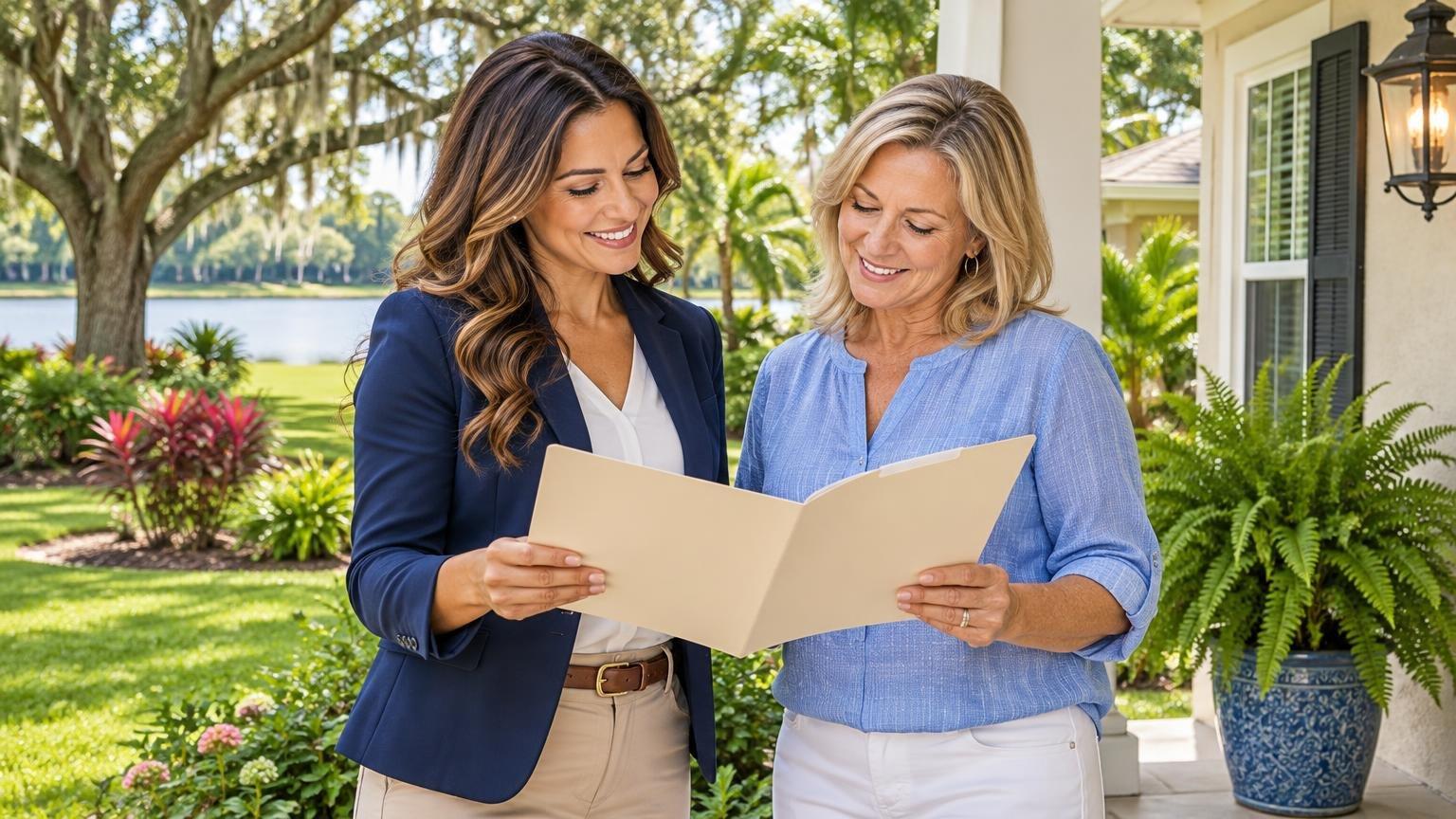
Florida's lack of state income tax can be appealing when you are planning a move, but property taxes still belong in your full cost-of-living plan. When we help relocation buyers compare homes, we look beyond the listing price to consider the tax bill a new owner may face.
The Florida homestead exemption can lower the taxable value of a qualifying primary residence. That makes it an important benefit for buyers who plan to make Florida their permanent home. A homestead property tax exemption increase described as Amendment 3 may affect that benefit, so the certified ballot language, election outcome, effective date, and local guidance should be confirmed before you make a filing or financial decision.
How a Florida Home Can Lower Your Tax Bill
A homestead exemption is not a discount on your purchase price, and it does not erase every property tax charge. Instead, it may reduce the portion of a qualifying home's assessed value that is subject to certain property taxes.
For a buyer moving to Winter Haven or another part of Polk County, that difference can matter over time. The exemption generally applies only to the home you truly use as your permanent primary residence, not a vacation home, rental, or future retirement property that remains vacant most of the year.
We also encourage buyers to separate four terms that are often mixed together:
- Homestead exemption, which can reduce taxable value for qualifying owners
- Property tax bill, which is based on taxable value and local tax rates
- Save Our Homes protection, which can limit certain assessed-value increases for existing homestead owners
- Portability, which may allow eligible Florida homeowners to carry part of a Save Our Homes benefit to another homestead
Each one has different rules. A larger exemption may help, but your savings will depend on the home, the taxing authority, and your eligibility.
What Amendment 3 Could Change
The phrase "Amendment 3" is not enough by itself to tell you what tax benefit applies. Ballot numbers can refer to different measures in different elections, and the final legal wording controls. For this homestead property tax exemption increase, buyers should confirm whether the approved measure changes the exemption amount, creates a new exemption tier, limits which taxing authorities are included, or uses another method to reduce taxable value.
If the increase was approved, the people most likely to benefit could include first-time Florida homeowners, buyers relocating from another state who establish a Florida primary residence, and current homestead owners whose assessed values are high enough for the added exemption to matter.
Still, a larger exemption would not mean every homeowner receives the same dollar savings. The result may vary based on:
- Your home's assessed and taxable values
- The exemption amount available under the final law
- Which local taxing authorities apply the exemption
- Local millage rates and non-ad valorem assessments
- Whether you qualify for another exemption or assessment protection
Until state and local officials issue final implementing guidance, we recommend treating headlines and social media summaries as starting points, not filing instructions.
See Whether You and Your Home Qualify
Florida homestead eligibility generally starts with ownership and residency. You must have an ownership interest in the home and use it as your permanent primary residence as of January 1 of the tax year for which you are applying. Applications are filed with the county property appraiser.
Relocation timing can create confusion. If you buy a home late in the year but do not make it your permanent residence by January 1, you may need to wait for a later tax year to qualify. Buyers arriving from another state should also be prepared to show that Florida is now their permanent home. A Florida driver license, voter registration, vehicle registration, mailing address, and similar records may help support that status, depending on the property appraiser's requirements.
Ownership details matter, too. Spouses, trusts, inherited property, and partial ownership can require a closer review. A second home, investment property, or rental property usually does not qualify as your permanent homestead simply because you own it. Before filing, we suggest confirming your situation with the Polk County Property Appraiser or a qualified tax professional.
Estimate Your Potential Savings
A smart estimate starts with more than the home's market value. Market value is what a buyer may pay, while assessed value is the value used for tax purposes. Taxable value is generally the assessed value after eligible exemptions are applied.
For example, consider a hypothetical Winter Haven home purchased for $375,000. The property appraiser may determine an assessed value, then subtract the applicable Florida homestead exemption amount for taxing authorities covered by the law. The remaining taxable value is multiplied by the local millage rates. If Amendment 3 increases the available exemption, the taxable value could be lower for eligible owners.
The basic idea looks like this:
- Market value: what the home may sell for
- Assessed value: the value used by the property appraiser
- Exemptions: amounts subtracted when eligibility is approved
- Taxable value: assessed value minus applicable exemptions
- Property taxes: taxable value multiplied by applicable tax rates, plus assessments
A seller's current tax bill is not a reliable forecast for your future bill. Their assessed value may reflect years of homestead protections, while a sale can cause the new owner's assessed value to move closer to current market value. Insurance, HOA fees, flood-zone factors, utilities, and maintenance should also be part of your ownership budget.
Avoid Filing Mistakes After a Move
Timing is one of the biggest issues we see with relocation planning. Because January 1 is a key eligibility date, it helps to organize your residency documents soon after you establish your Florida primary residence. Then, file with the property appraiser by the applicable local deadline rather than assuming the exemption will appear automatically.
Common mistakes include assuming the seller's exemption transfers with the house, claiming a second home as a primary residence, missing requested documents, or forgetting to update a mailing address. Another frequent mix-up is treating portability as the same thing as the Florida homestead exemption.
Portability applies to certain homeowners moving from one Florida homestead to another. If you had a prior Florida homestead and qualify under current rules, you may be able to transfer part of your Save Our Homes benefit. Buyers moving from outside Florida generally should not assume portability applies.
Build a Smarter Homebuying Budget
Property taxes deserve the same attention as the mortgage payment because they can change after a sale, a reassessment, or a new exemption filing. When we review a listing with buyers, we look at the home's tax history as context, then encourage a forward-looking estimate based on the buyer's likely ownership and homestead status.
Before relying on Amendment 3 savings, confirm the final legal requirements, effective date, exemption amount, and filing process with the county property appraiser or a qualified tax professional. That extra step can help you budget from a clearer, more realistic starting point.
Make Your Florida Move With Greater Confidence
Relocating involves more than finding the right home, and understanding the Florida homestead exemption can help you evaluate ownership costs as part of the bigger picture. Chris Warschauer and our team can help you compare homes, neighborhoods, and practical next steps for your move. When you are ready to discuss your plans, contact us for personalized guidance.